

Electronics Fundamentals: The Complete Guide (Components, Theory...
The cornerstone guide to electronics theory every component, law and circuit concept on one page, linking to every fundamentals tutorial on the site.
Components and theory: voltage, current, Ohm’s law, diodes, transistors, op-amps, filters and oscillators the foundation every electronics engineer needs., 29 tutorials
The cornerstone guide to electronics theory every component, law and circuit concept on one page, linking to every fundamentals tutorial on the site.

Polyimide substrates, silver inks and flex PCBs how circuits survive bending, and where the technology is heading.

Voltage, current and resistance in one relationship the triangle, worked examples and the mistakes to avoid.

Depletion regions, forward drop and the VI curve the single device behind every semiconductor you use.
The three components that cannot amplify what each stores, blocks and resists, and how they team up in every circuit.

Two terminals versus three, one junction versus two how diodes and transistors relate, differ and work together.

Voltage is pressure, current is flow understand the two quantities every circuit equation depends on.

Why copper conducts, why nichrome heats, and how geometry turns resistivity into ohms you can calculate.

Current, voltage and resistance behave completely differently in series and parallel these are the working rules with examples.

KCL and KVL turn any circuit, however messy, into solvable equations here is the method plus fully worked numbers.

Datasheets are 40 pages long, but you usually need five sections. Here is the reading order professionals use.

The upgrade path from solderless prototyping to permanent builds layout rules, solder points and reliability traps.
Two kinds of electricity, two sets of rules where each is generated, transmitted and used, and what it means for your circuits.

Why a 230 V outlet actually swings to 325 V and the exact conversions between RMS, peak, peak-to-peak and average.

Gain, attenuation, dBm, dBµV what decibels actually mean and the mental math engineers use daily.

The symbols you meet on every schematic resistors to op-amps with the conventions that make drawings readable.
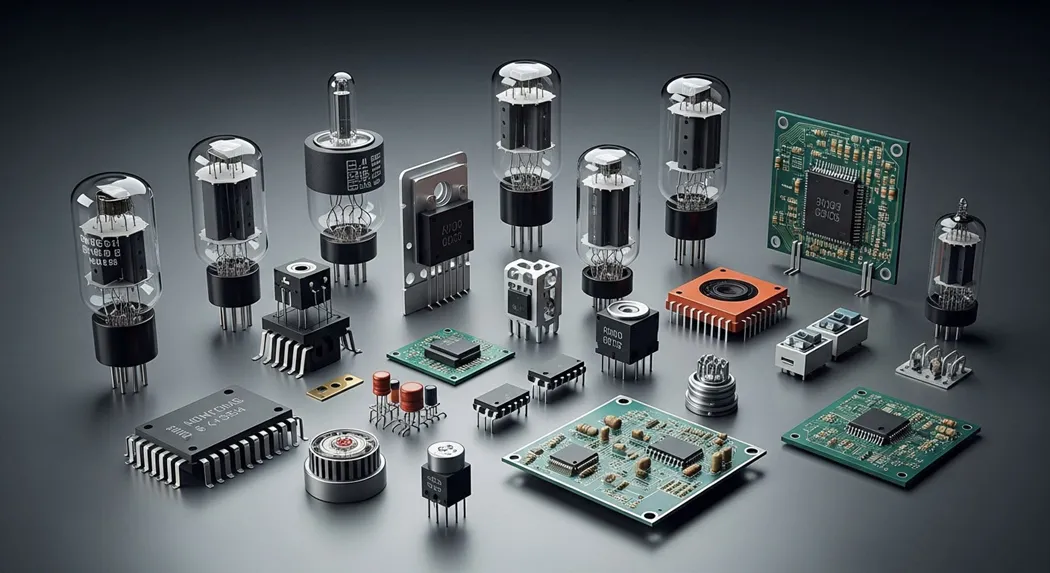
Electronic devices, including[electronic circuit board components](/), are instruments that manipulate the flow of electrons to perform specific tasks. These devices range from simple components like resistors, which.
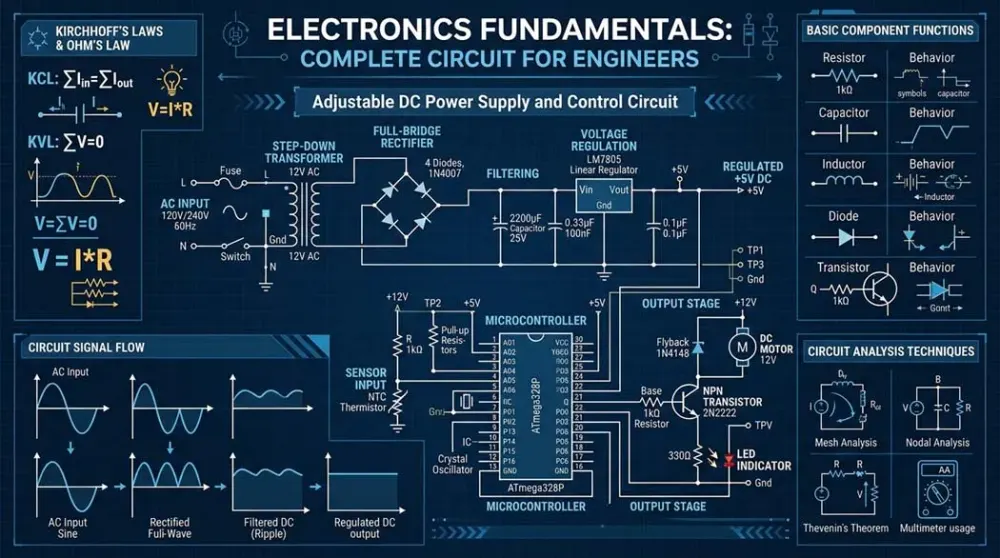
One guide. Five foundational topics. Zero hand-waving. Voltage, Ohm’s Law, passive components, semiconductors, and circuit diagrams explained the way engineers actually use them, with interactive.
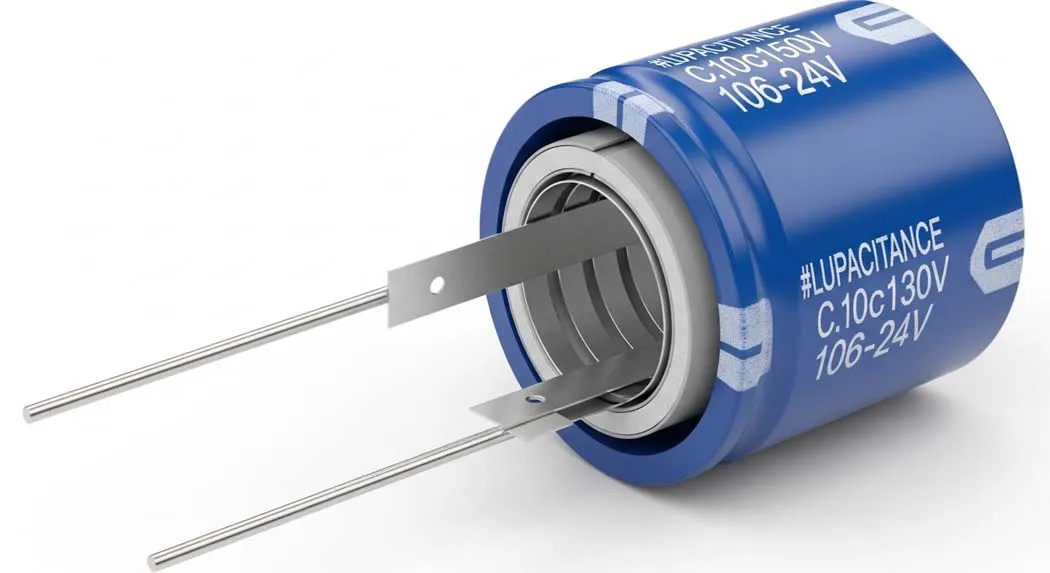
From basic charge storage to advanced filter circuits everything an engineer and student needs to know about capacitors in one.

The definitive professional guide from your first resistor symbol to confidently reading multi-page production schematics, including power rails, bus systems, net names, and annotated real-world circuit.

LEDs emit light via electroluminescence direct electron hole recombination at a p n junction Resistor formula: R = V_source − V_forward I_forward always calculate before wiring LEDs achieve…

Professional guide from Georg Ohm’s 1827 discovery to E-series selection, carbon vs metal film vs wirewound, SMD codes, pull-up/pull-down design, real component comparisons, and the most costly mistakes engineers.
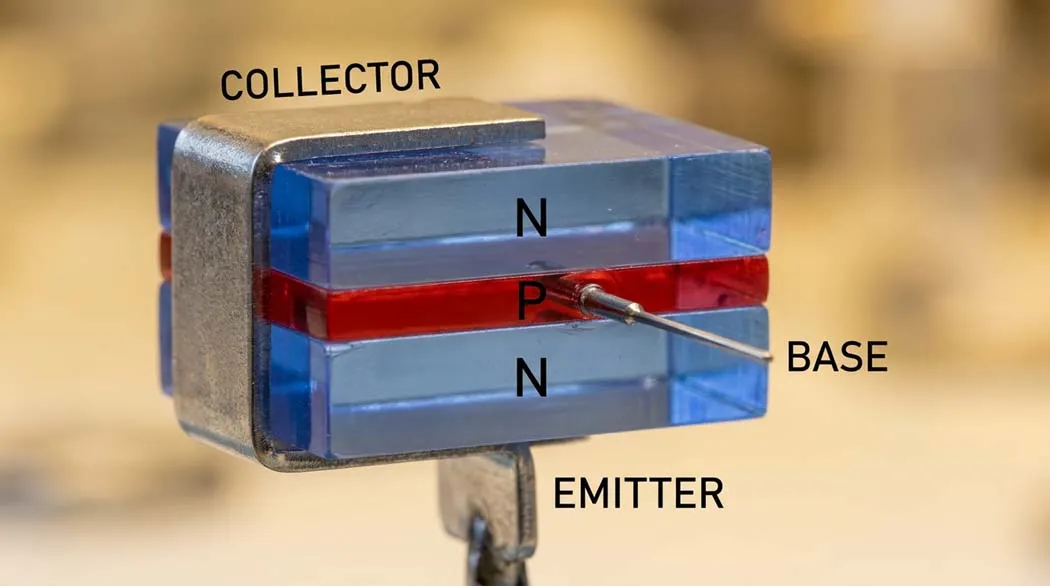
How a Transistor Works: BJT, MOSFET, Biasing, Gain & Applications (2026 Guide), a bench-tested electronics fundamentals guide with worked example and reference.
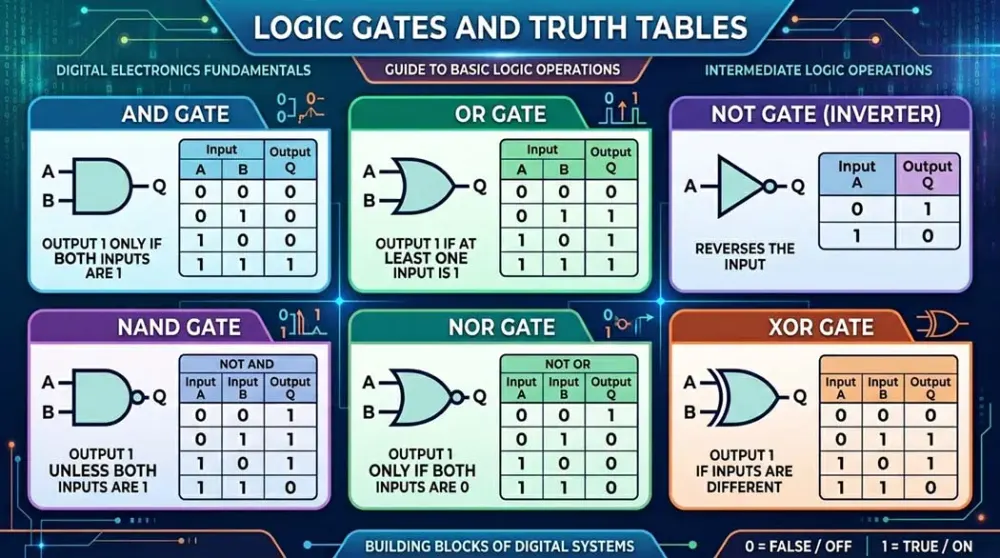
All 7 logic gates explained with full truth tables, Boolean expressions, real world applications, De Morgan’s theorem, NAND NOR universal conversions, CMOS physics, propagation delay, fan ou…
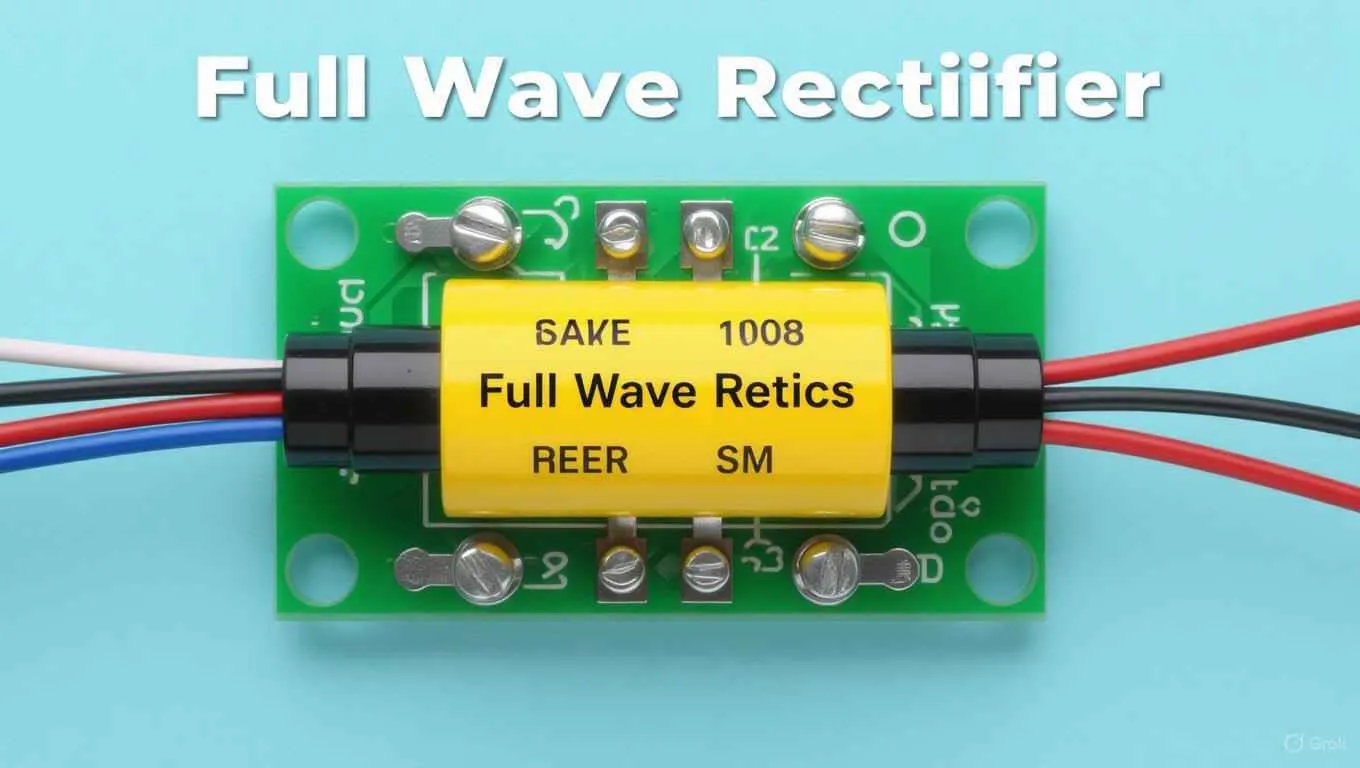
The definitive engineering guide from AC to DC conversion fundamentals to bridge vs center tapped circuits, efficiency derivations, PIV calculations, filter design, diode selection, and IEC…

How adaptive delta modulation actually works: block diagram, slope overload formula, granular noise math and Jayant step adaptation, from ITU-T G.726 to ECG devices.
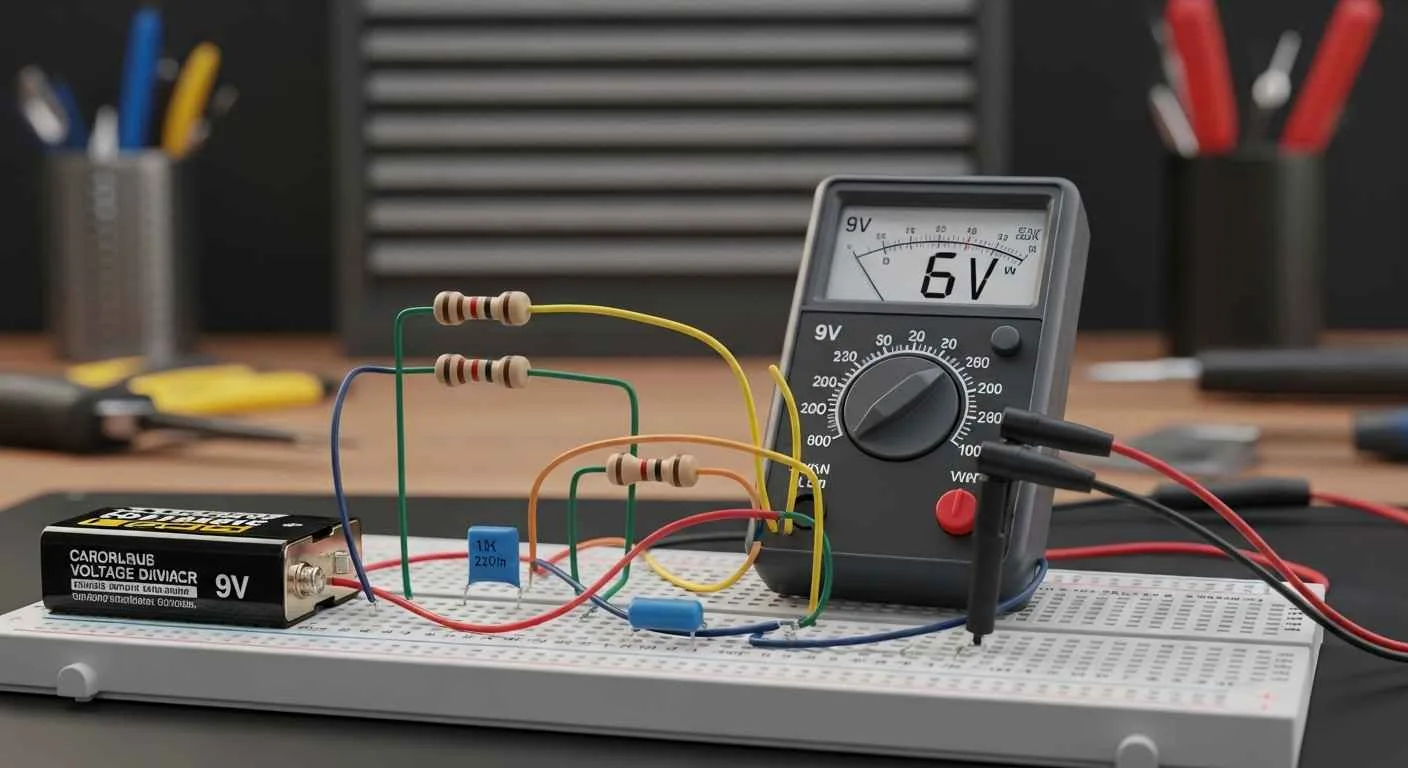
The voltage divider from the basic Vout formula and Ohm law derivation to loading effect, Thevenin equivalent model, AC impedance analysis and RC filters.

The definitive professional guide from MOSFET physics and switching formulas to gate driver selection, N/P-channel circuits, H-bridge dead time, JEDEC standards, and real power electronics case.

Sum of Products from first principles: minterms, canonical forms, Karnaugh mapping and the worked truth-table conversions every digital designer needs.